What Is Process Art? Why It Matters for Kids
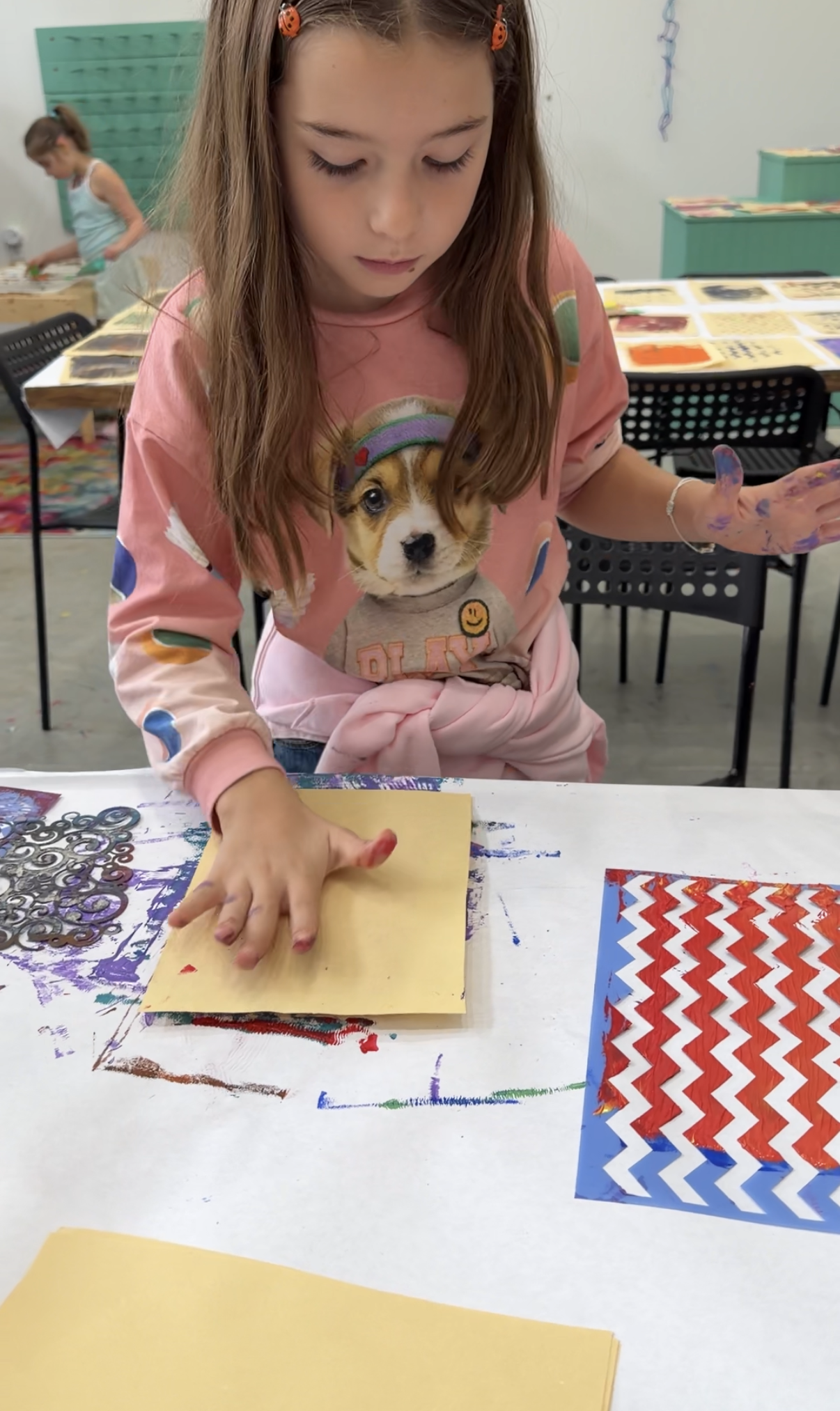
If you've ever visited MakeArt, you've probably heard us talk about process art. It's at the heart of everything we do—but what does it actually mean?
Simply put, process art is art that celebrates the creative journey rather than focusing on the final product.
Instead of following step-by-step instructions to make something that looks exactly like everyone else's, children are invited to explore, experiment, make choices, solve problems, and create something that is completely their own.
At MakeArt, we believe there is no "right" or "wrong" way to create.
Why Process Art Matters
Children are naturally curious. Give them paint, clay, recycled materials, or a basket of loose parts, and they'll begin asking questions:
"What happens if I mix these colors?"
"Can I build something taller?"
"What if I use a feather instead of a paintbrush?"
Those moments of curiosity are where the real learning happens.
Process art encourages children to:
Think creatively
Make independent decisions
Build confidence
Strengthen fine motor skills
Practice problem-solving
Express their ideas and emotions
Explore without the fear of making mistakes
The finished artwork is wonderful—but the thinking, experimenting, and discovering along the way is what makes the experience truly meaningful.
What Process Art Looks Like at MakeArt
Walk into one of our classes, and you probably won't see twenty identical projects hanging on the wall.
Instead, you'll see children:
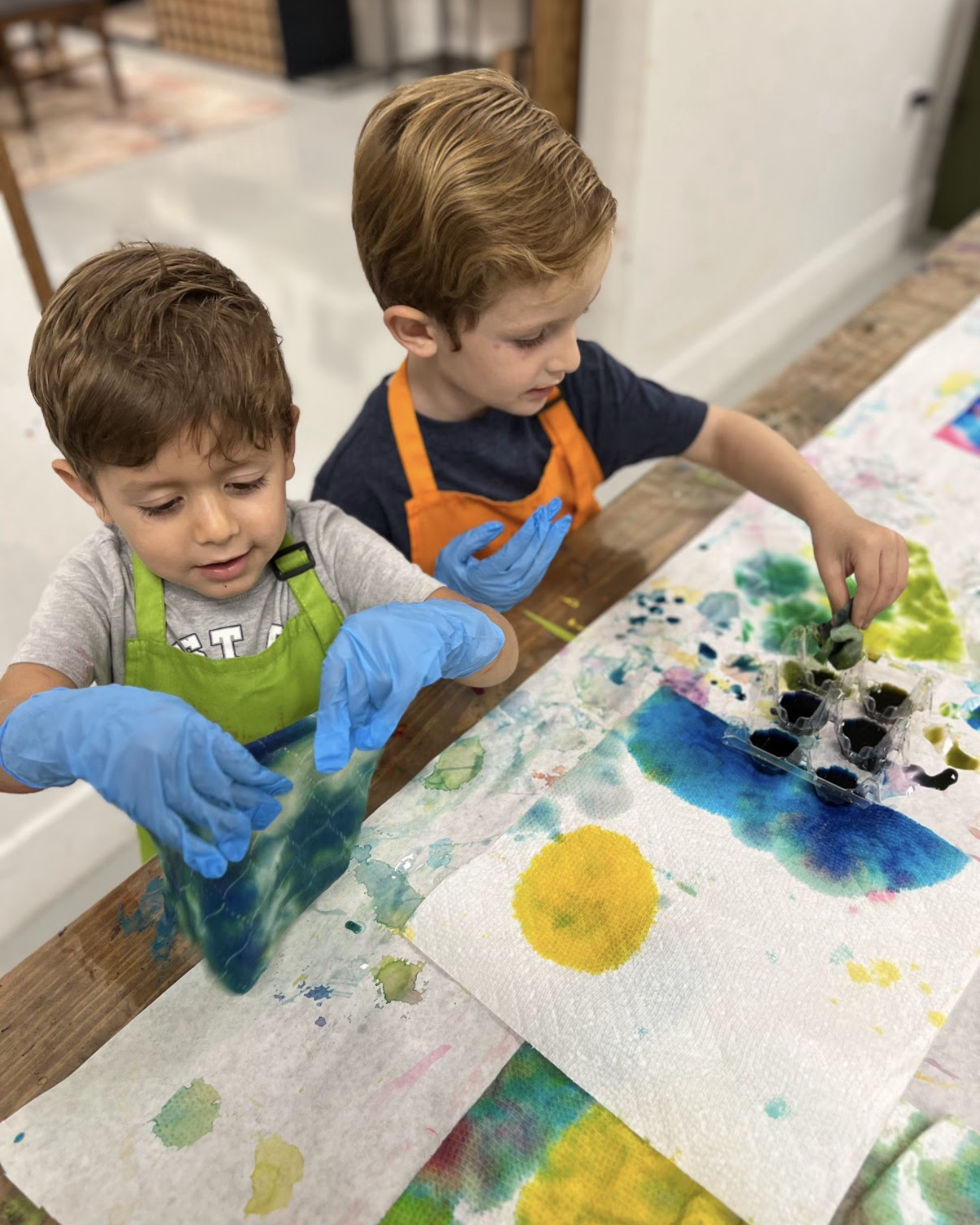
Mixing colors they've never tried before.
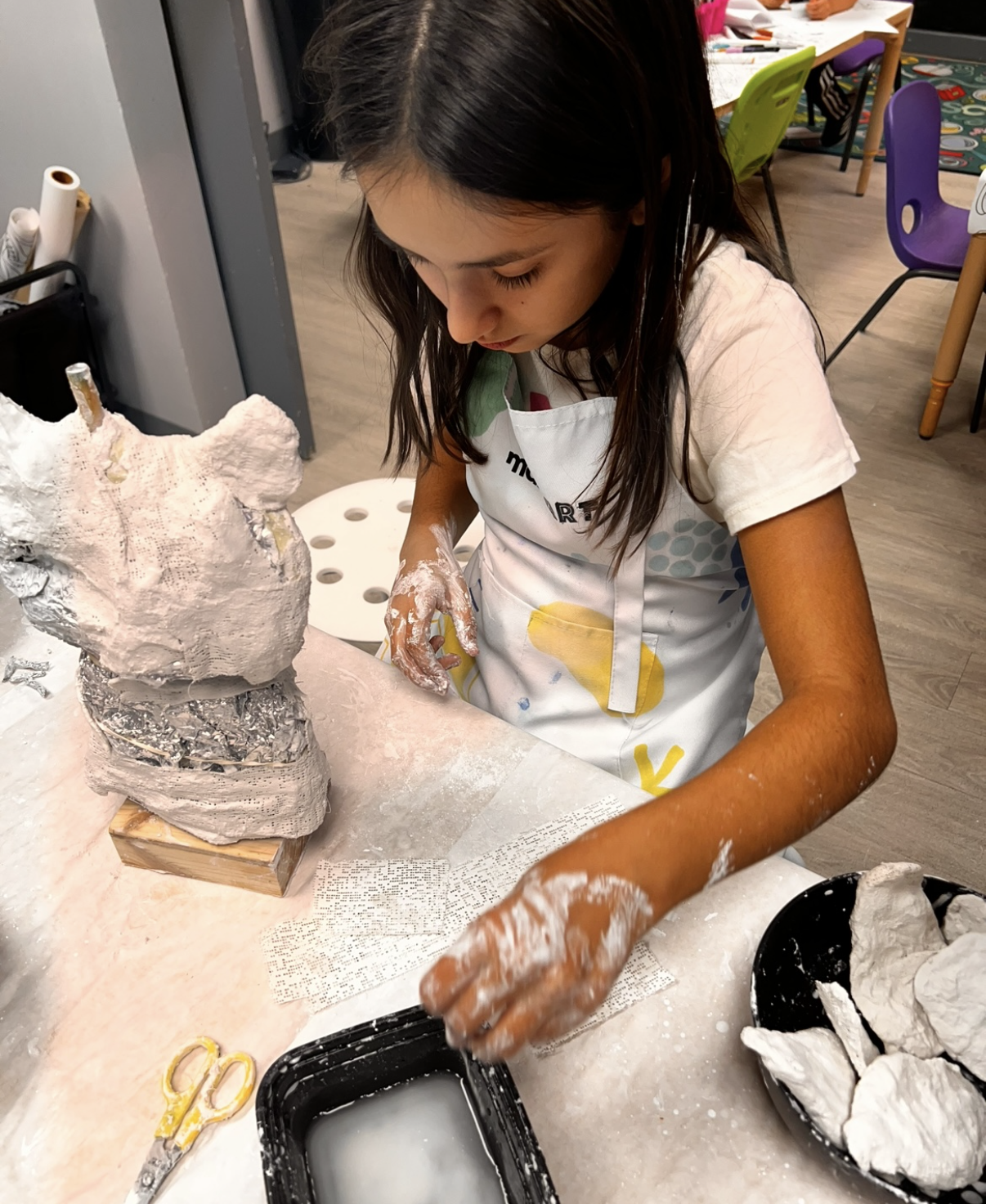
Building sculptures from recycled materials.
Painting with toy cars, leaves, or bubble wrap.
Creating inventions from cardboard and tape.
Exploring clay with their hands and simple tools.
Designing artwork inspired by their own ideas.
Each child creates something unique because every child brings their own imagination, experiences, and personality to the table.
That's exactly what we celebrate.
But Will My Child Learn Art Skills?
Absolutely!
In fact, children often develop stronger artistic skills through process art because they're constantly experimenting with different materials and techniques.
As they create, they naturally learn about:
Color mixing
Texture
Shapes and patterns
Balance and composition
Building and construction
Different art materials and tools
These skills develop through exploration rather than memorization, making learning both meaningful and fun.
It's More Than Making Art
Process art isn't just about creating beautiful artwork—it's about raising confident, curious, and creative thinkers.
When children are trusted to make their own choices, test their own ideas, and solve their own creative challenges, they begin to see themselves as capable learners.
That confidence extends far beyond the art table.
How You Can Encourage Process Art at Home
You don't need a fully stocked art room to support creativity.
Start with a few simple materials:
Cardboard boxes and tubes
Glue and tape
Scissors (with supervision)
Recycled containers
Nature treasures like leaves, sticks, and rocks
Then, step back.
Instead of showing your child what to make, invite them to explore.
Ask open-ended questions like:
"What are you noticing?"
"Tell me about your creation."
"What happens if you try it another way?"
"What would you like to add next?"
Sometimes the best thing we can do is simply provide the materials, make space for creativity, and enjoy watching our children discover what they're capable of.
Welcome to MakeArt
At MakeArt, we believe every child is an artist.
Our goal isn't to create perfect projects—it's to create joyful experiences where children feel free to imagine, explore, experiment, and create with confidence.
Because when children are given the freedom to create, they're also learning to think, solve problems, take risks, and believe in their own ideas.
And that's a masterpiece all on its own.